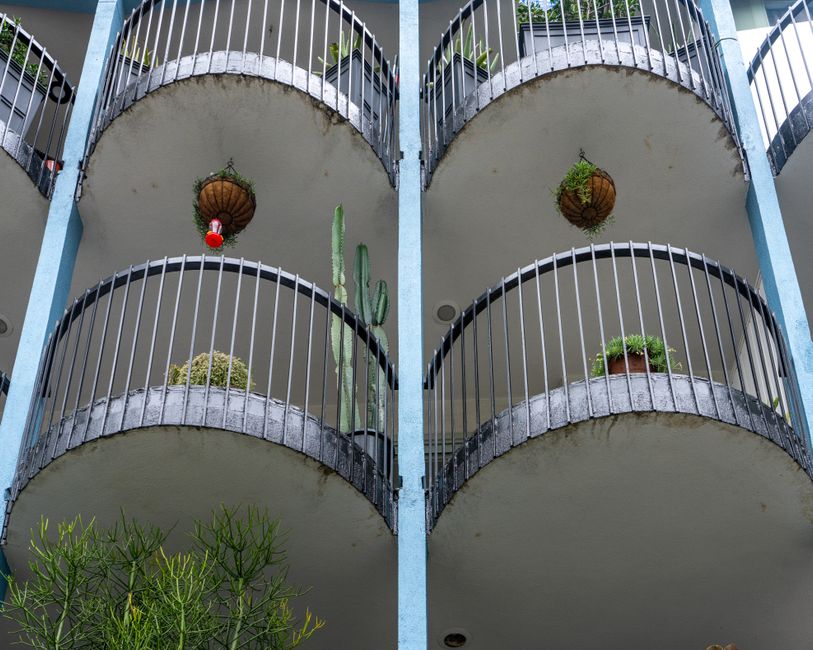
All Saints DLR Balcony Care by Poplar Gardeners
If your balcony near All Saints DLR has started to feel more like a dusty storage ledge than a place you enjoy, you are not alone. Wind-blown grit, soggy pots, tired foliage, slippery surfaces, and the odd bird mess can build up quickly in East London. That is where All Saints DLR balcony care by Poplar gardeners makes a real difference: neat, practical upkeep that keeps a compact outdoor space usable, safe, and pleasant through the seasons.
Balcony care is not just about making things look tidy, though that helps. It is about creating a space that drains properly, stays structurally sensible, and works for the way you actually live. A small balcony can become a morning coffee spot, a herb corner, or simply a calmer view from the kitchen window. Truth be told, in a city flat, that little patch outside matters more than people expect.
In this guide, you will find how balcony care works, what good maintenance looks like, common mistakes to avoid, and when it makes sense to bring in a local gardening team. We will also cover practical checks, a comparison of care approaches, and a realistic checklist you can use right away.
Table of Contents
- Why All Saints DLR balcony care by Poplar gardeners Matters
- How All Saints DLR balcony care by Poplar gardeners Works
- Key Benefits and Practical Advantages
- Who This Is For and When It Makes Sense
- Step-by-Step Guidance
- Expert Tips for Better Results
- Common Mistakes to Avoid
- Tools, Resources and Recommendations
- Law, Compliance, Standards, or Best Practice
- Options, Methods, or Comparison Table
- Case Study or Real-World Example
- Practical Checklist
- Conclusion
- Frequently Asked Questions
Why All Saints DLR balcony care by Poplar gardeners Matters
Balcony spaces in and around All Saints DLR face a very specific mix of conditions. There is exposure to wind, dust, pollen, rain splash, and the everyday wear that comes with a busy London setting. A balcony may be tiny, but it is still outdoors, which means dirt travels in, moisture lingers, and anything left unchecked can start causing problems faster than you might think.
Care matters because balconies are part living space and part building feature. If planters block drainage, water can pool. If soil spills repeatedly, surfaces stain. If pots are too heavy or unevenly placed, they can become awkward or risky. And if dead leaves collect in corners, you end up with the sort of damp, messy build-up that nobody wants to deal with on a wet Tuesday evening.
There is also the simple quality-of-life side. A well-kept balcony feels larger, brighter, and more welcoming. You notice the space differently when it is clean, organised, and planted with intention. Even one or two healthy containers can change the whole mood of a flat. A bit of green goes a long way, to be fair.
For landlords, managing agents, and tenants alike, regular balcony care can also help avoid complaints about mess, pests, staining, or water issues. That is one reason many residents look for a local team that understands both garden upkeep and the realities of apartment living. You are not just buying labour; you are buying judgement.
If you want broader upkeep around your outdoor areas, it can also help to look at garden maintenance and the wider services overview so you can see how balcony work fits into a regular care plan.
How All Saints DLR balcony care by Poplar gardeners Works
Good balcony care starts with a quick but proper assessment. A gardener will usually look at the current layout, the size of the space, the condition of containers, the state of the floor, and any obvious access or safety issues. On a balcony, the details matter. One awkwardly placed trough can create more hassle than a whole bed in the ground. Funny how that happens.
From there, the work normally breaks into a few practical stages:
- Clear the space by removing dead leaves, broken pots, loose debris, and anything that is no longer needed.
- Check surfaces for slippery patches, staining, blocked drainage points, or worn areas that need careful cleaning.
- Assess planting so overgrown, dry, or frost-damaged plants can be trimmed, replaced, or repositioned.
- Refresh soil and containers where needed, including light top-ups and tidy rearrangement.
- Finish with a neat layout that keeps pathways clear and helps the balcony feel balanced instead of cluttered.
Depending on the balcony and the property rules, care may also include light pruning, gentle hedge or shrub shaping in containers, and seasonal planting advice. It is not the same as full garden landscaping, but the same eye for proportion and plant health still applies. For more involved outdoor improvements, you may find landscape gardening or landscaping useful if the balcony needs a bigger rethink.
A good local gardener will also work carefully around neighbours, access routes, and building surfaces. That matters in apartment blocks. Tools should be chosen for quiet, tidy work where possible, and waste should be contained, not scattered. In a shared building, a small mess can travel a surprising distance.
Key Benefits and Practical Advantages
There are obvious visual benefits to balcony care, but the practical ones are often more valuable over time.
- Cleaner surfaces: Less grit, less staining, less chance of slippery patches after rain.
- Healthier plants: Regular attention helps spot drying, overwatering, or pest issues early.
- Safer layout: Clear access reduces the chance of tripping over tools, pots, or loose clutter.
- Better use of space: A small balcony feels bigger when it is arranged properly.
- Less long-term damage: Routine care can help prevent blocked drainage and avoidable wear.
- More enjoyment: The space becomes somewhere you actually want to use, not just look at.
One practical benefit people sometimes overlook is consistency. A balcony does not need a dramatic makeover every month. What it needs is rhythm. A little attention, then a little more, then a seasonal reset. That is usually enough to keep things manageable.
If you are balancing balcony care with other outdoor tasks, services like lawn mowing, hedge trimming, or even garden clearance can help maintain a consistent standard across the whole property, not just one visible corner.
Who This Is For and When It Makes Sense
Balcony care by Poplar gardeners suits a few different situations. It is not only for people with overflowing planters and climbing ivy. Sometimes it is for someone who simply does not have the time, tools, or confidence to keep a balcony tidy without making a bigger job of it.
This service can make sense if you are:
- a tenant who wants the balcony kept clean and presentable without hassle
- a homeowner who prefers a managed, low-fuss outdoor space
- a landlord or agent looking after a flat between lets
- someone recovering from illness, injury, or a hectic season of life
- a resident who wants plants maintained properly, not just left to cope alone
It is also a good option if you have inherited a balcony that was set up by a previous occupant. You know the type: three random pots, one broken chair, a bag of old compost, and a half-dead fern judging you from the corner. Starting fresh can be oddly satisfying.
Timing matters too. Many people book balcony care before spring planting, after stormy autumn weather, or ahead of a tenancy inspection. Others keep it regular through the warmer months and then switch to lighter maintenance in winter. There is no one right pattern. The right pattern is the one you can keep up.
Step-by-Step Guidance
If you want a sensible framework for balcony care, this is the simplest way to think about it.
1. Start with a clear-out
Remove dead leaves, old labels, broken saucers, empty trays, and anything that no longer serves a purpose. This is the fastest way to reveal hidden issues like damp corners, standing water, or cracked containers.
2. Inspect the floor and drainage
Check whether water is draining properly after rain or watering. On a balcony, standing water is never just "a bit of moisture". It can attract dirt, leave marks, and make surfaces unpleasant or unsafe.
3. Sort the containers
Look for pots that are too small, too cracked, or too heavy for the space. Reposition what can stay, and remove what clearly should not. If a plant has outgrown its container, it will usually tell you by looking miserable. Plants are not subtle.
4. Prune and tidy the planting
Trim back dead growth, remove yellowing material, and shape plants lightly so they do not crowd each other. Container plants often need more regular attention than ground planting because their root space is limited.
5. Refresh soil or compost where needed
Top up tired containers, but do not overfill. A good gardener will judge whether a full repotting is needed or whether a lighter feed and tidy-up will do the job.
6. Rebuild the layout
Think in layers: floor space, plant height, and visual balance. Keep access clear, leave room for doors and windows, and avoid overloading one side of the balcony.
7. Finish with a seasonal plan
Decide what should happen next month, next season, and after bad weather. That simple plan is often what separates a tidy balcony from one that quietly goes downhill.
If you want ongoing support rather than one-off tidying, a regular garden maintenance arrangement is often the most straightforward option. It keeps the space on track before small issues become big ones.
Expert Tips for Better Results
Here are a few practical things we would always keep in mind for balcony care in this part of London.
- Choose containers with real drainage: Decorative pots are fine, but drainage holes matter more than looks.
- Do not overload the balcony: Pots, water, furniture, and planters all add weight. Spread things out and avoid clutter.
- Use wind-tolerant plants: Balconies near open corners or higher floors can be breezy even on mild days.
- Keep a small toolkit nearby: A hand fork, secateurs, microfiber cloth, and watering can often cover most day-to-day needs.
- Watch for staining early: Soil spills are far easier to clean when they are fresh.
- Think about light: Morning sun, shaded afternoons, and reflected heat from surrounding walls all change what plants will thrive.
A useful rule of thumb: if a balcony is starting to feel cramped, do not add more stuff. Edit first. Rearranging is often better than buying another planter you do not really need. This sounds obvious, but, well, balconies have a way of collecting optimism in plastic pots.
For properties with timber features or external seating, it may also be worth exploring decking services where a broader refresh is needed, especially if the balcony has weathered wood or a tired surface finish.
Common Mistakes to Avoid
Most balcony problems do not start as major problems. They begin with small, repeated habits.
- Overwatering containers: This is one of the most common issues. More water is not always better.
- Blocking drainage: Saucers, mats, or debris can trap water and create mess.
- Using too much soil: A container filled to the brim may look neat at first, but it can spill easily.
- Ignoring dead growth: Old stems and leaves make a space look dull and can hide pests or mould.
- Letting clutter build up: One chair, one bag, one spare pot. Then suddenly the whole balcony is full.
- Choosing plants for the wrong conditions: Not every plant likes exposed wind, direct summer sun, or heavy shade.
Another mistake is treating balcony care like a one-off tidy rather than ongoing upkeep. A space this exposed and compact needs lighter, more frequent attention. Nothing dramatic. Just steady care. That tends to work best.
Tools, Resources and Recommendations
You do not need a shed full of equipment to manage a balcony properly. In many cases, a small, well-chosen kit is enough.
| Item | Why it helps | Best used for |
|---|---|---|
| Hand trowel | Easy for pot work in tight spaces | Repotting, soil topping, small planting jobs |
| Secateurs | Clean cuts on stems and light pruning | Deadheading, shaping, tidying |
| Soft brush or cloth | Removes dust and loose dirt without scratching | Cleaning rails, pots, and surfaces |
| Watering can with a narrow spout | Gives better control on small balconies | Targeted watering |
| Bucket or trug | Helps carry debris without spilling | Collection and tidy-up |
| Gloves | Protects hands from rough edges and soil | General maintenance |
For more complex jobs, a professional team can bring the right tools and the experience to use them properly. That may include small pruning tools, waste removal gear, and the judgement to know when a plant needs rescue, not just trimming.
If the balcony is part of a larger outdoor project, it can also help to review recycling and sustainability so that waste, packaging, and plant material are handled thoughtfully. Small job, bigger habit.
Law, Compliance, Standards, or Best Practice
Balcony care in a flat setting is not just a horticultural issue. It also touches on building safety, shared access, and responsible maintenance. While exact obligations can vary depending on lease terms, building rules, and property management arrangements, a careful approach is always the safest one.
Best practice usually means:
- keeping exits and doorways clear
- avoiding excessive weight or unstable stacking
- preventing water from escaping onto neighbouring balconies where possible
- making sure tools and waste are not left where they could be trip hazards
- working safely at height and not overreaching from a balcony edge
In a shared residential building, it is also sensible to respect quiet hours, neighbour access, and any property-specific instructions. Many balconies look simple from the street, but the work behind them still needs care. A proper gardener understands that balance. Safety first, then tidiness, then the nice bit at the end.
If you are comparing providers, it is reasonable to ask about insurance, safe working practices, and how waste is removed. You can also review the business's own insurance and safety information and its health and safety policy if you want extra reassurance before booking.
Options, Methods, or Comparison Table
There is more than one way to keep a balcony in good shape. The right method depends on how much time you have, how the space is used, and whether you want occasional help or a steady routine.
| Approach | Best for | Pros | Trade-offs |
|---|---|---|---|
| DIY tidy-up | Very small, low-maintenance balconies | Low cost, flexible timing | Easily delayed, easy to miss drainage or plant health issues |
| One-off professional clean and reset | Balconies that have become cluttered or neglected | Quick transformation, practical reset | Needs follow-up to stay tidy |
| Regular maintenance visits | Busy homes, landlords, and people who want consistency | Steady standard, fewer surprises | Requires ongoing scheduling |
| Seasonal refresh only | People who mainly need spring and autumn help | Good for light-touch upkeep | Can be too sparse for high-exposure spaces |
In many real cases, the best option is a blend. A careful reset followed by periodic maintenance tends to keep the balcony looking intentional rather than constantly on the brink of chaos. And yes, balconies can get to that brink quite fast.
Case Study or Real-World Example
Consider a typical flat near All Saints DLR: a narrow balcony with two large pots, one rusting chair, a washing rack, and a scattering of wet leaves caught in the corner after a windy week. The resident likes the idea of plants, but after a few busy months the space has become awkward to use. Water leaves marks, the floor feels gritty, and the planters are crowding the door.
A local gardener starts by removing the clutter and checking for drainage issues. One pot is overwatered and another is full of tired compost. The plants are trimmed back, the space is rearranged, and the floor is cleaned carefully. A couple of plants are kept, one is replaced with a more wind-tolerant choice, and the chair is moved so the balcony can actually be sat on again. Simple, really.
The change is not dramatic in a flashy sense. There is no huge makeover moment. But the resident can now open the door without stepping around things, the floor feels cleaner underfoot, and the balcony gets used again in the evenings. That is what good balcony care often does. Quietly useful. Not showy.
Practical Checklist
Use this checklist before and after any balcony care visit.
- Clear loose debris, dead leaves, and broken items
- Check for standing water after rain or watering
- Make sure pots have drainage and are not cracked or unstable
- Trim dead or overgrown plant growth
- Wipe down rails, surfaces, and nearby ledges
- Keep access routes and door openings clear
- Remove anything that is no longer needed
- Review whether the plant mix still suits light, wind, and season
- Store tools safely and out of the way
- Decide what needs doing next month, not just today
If the balcony is part of a broader outdoor tidy-up, you might also coordinate it with garden clearance for any larger waste or with tree lopping and removal if nearby growth is affecting light or space. Not every balcony needs that, of course, but where it does, it is better handled properly.
Conclusion
All Saints DLR balcony care by Poplar gardeners is about making a small space work better in real life. Cleaner surfaces, healthier plants, safer access, and a calmer look all add up to something surprisingly valuable. In a busy area, that bit of outdoor breathing room can become a genuine part of home rather than an afterthought.
The main thing is not perfection. It is consistency. A balcony that gets sensible, regular attention will usually stay manageable, pleasant, and ready to use without turning into another weekend burden. That is the sweet spot, really.
Get a free quote today and see how much you can save.
If you want to understand more about the team behind the service, you can also read about us before getting in touch. It is often the simplest way to feel confident about who is handling your space.
Frequently Asked Questions
What does balcony care usually include?
Balcony care usually includes clearing debris, tidying containers, checking drainage, trimming plants, refreshing tired compost, and reorganising the space so it is safe and easy to use. Some visits are light and seasonal, while others are more of a reset.
How often should a balcony near All Saints DLR be maintained?
That depends on exposure, plant choice, and how much the balcony is used. Many people benefit from lighter monthly care during the growing season, with a more thorough tidy in spring and autumn. Windy or heavily planted balconies may need attention more often.
Can balcony care help prevent water damage?
It can help reduce some common causes, especially when drainage points are kept clear and pots are not allowed to overflow repeatedly. It is still important to treat any signs of persistent damp or structural concern seriously and have them checked appropriately.
Is balcony gardening the same as garden maintenance?
Not quite. Balcony care is usually more compact and detail-led, with a stronger focus on containers, access, weight, and drainage. Broader garden maintenance can cover larger planted areas, lawns, and borders as well.
What are the biggest risks with balcony plants?
The main risks are overwatering, poor drainage, unstable pots, excessive weight, and choosing plants that do not suit the balcony's light or wind conditions. A quick tidy can solve a lot, but the planting choices matter just as much.
Do I need professional help if my balcony is small?
Sometimes yes, especially if the space has become cluttered, dirty, or hard to manage safely. Small balconies can actually be trickier because every object affects the layout. A professional can often sort it faster than you expect.
Can Poplar gardeners also help with related outdoor work?
Yes, depending on what you need. Related services such as hedge trimming, lawn mowing, or landscaping may be useful if you are also improving other parts of the property.
How do I keep a balcony tidy between visits?
Keep a small cleaning kit handy, deadhead plants regularly, brush away soil spills quickly, and avoid letting extra items accumulate. Five minutes here and there often saves a much bigger job later. It really does.
What should I ask before booking balcony care?
Ask what the visit includes, whether the team can handle waste removal, how they work safely at height, and whether they can advise on plant choice or layout. If you want to compare value as well as service, take a look at pricing and quotes.
Is balcony care useful in winter too?
Yes. In winter, the focus usually shifts to drainage, storm damage, debris removal, and protecting pots and plants from cold or waterlogging. The work may be lighter, but it is still worthwhile.
What if I need a full clear-out first?
Then a more substantial tidy or clearance visit may be the better starting point. If the balcony has become heavily cluttered, a garden clearance style approach can help create a clean slate before regular care begins.
How do I contact the team about balcony care?
If you are ready to discuss your space, use the website's contact us page and explain what the balcony needs, how large it is, and whether you want one-off help or ongoing maintenance. A clear brief usually gets you a better result from the start.