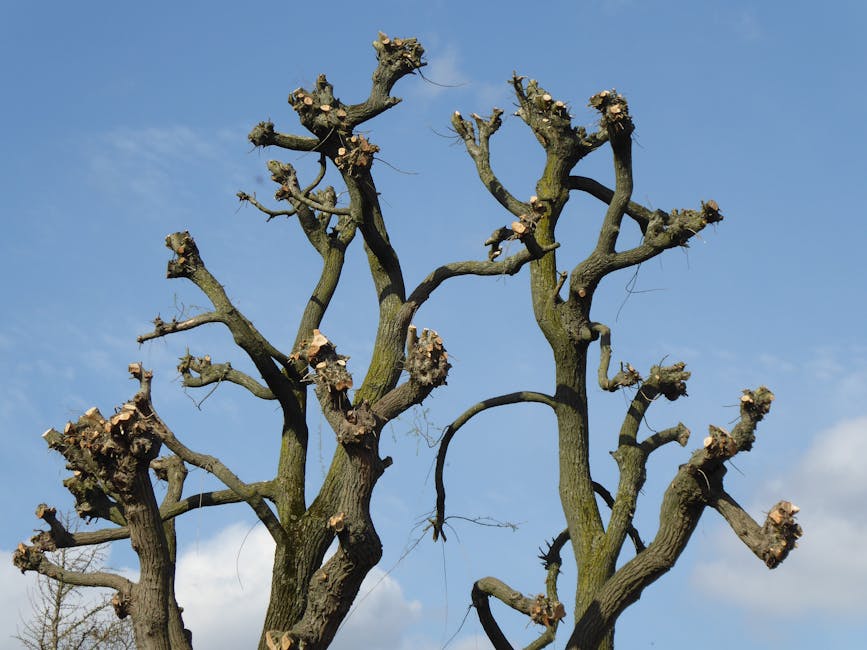
Blackwall Estate Tree Pruning Services Poplar Gardeners: A Practical Guide for Safer, Healthier Trees
If you live in or around Blackwall Estate and you are looking into Blackwall estate tree pruning services Poplar gardeners, you are probably dealing with one of a few common situations: a tree that has grown a bit too close to the property, branches blocking light, a hedge turning scruffy, or a tree that simply needs a proper shape-up after a few seasons of doing its own thing. It happens. Trees grow fast in London gardens, and if you leave them alone for too long, the job gets bigger, riskier, and frankly more annoying.
This guide explains what tree pruning actually involves, why it matters, how the work is usually approached, and what to look for before booking a local team. It also covers safety, best practice, and a few sensible comparisons so you can make a calm decision rather than a rushed one. Let's face it, cutting a tree is never just about cutting a tree.
Contents
- Why Blackwall Estate tree pruning services Poplar gardeners matters
- How Blackwall Estate tree pruning services Poplar gardeners works
- Key benefits and practical advantages
- Who this is for and when it makes sense
- Step-by-step guidance
- Expert tips for better results
- Common mistakes to avoid
- Tools, resources and recommendations
- Law, compliance, standards, or best practice
- Options, methods, or comparison table
- Case study or real-world example
- Practical checklist
- Conclusion
- Frequently asked questions
Why Blackwall Estate tree pruning services Poplar gardeners Matters
Tree pruning is not just tidying. Done well, it supports the long-term health, structure, and safety of a tree. Done badly, it can stress the tree, leave ugly wounds, or create weak regrowth that causes more trouble later. On estates and close-built streets, the stakes are a bit higher because trees often sit near paths, fences, windows, parked cars, and shared access routes.
In a place like Blackwall Estate, where growing space can be tight and light matters more than most people admit, pruning often does three jobs at once: it improves the look of the tree, keeps the garden usable, and reduces the chance of branches causing nuisance or damage. You will notice the difference on a windy evening when the canopy is lighter and the garden feels less boxed in.
There is also a practical maintenance angle. Trees that are left unchecked can start competing with nearby plants, shading lawns, leaning awkwardly, or rubbing against structures. A sensible pruning plan keeps the tree in balance with the rest of the garden, which is why many homeowners combine it with garden maintenance or even broader landscaping work when they want the whole space to feel sorted again.
Expert summary: Good pruning is selective, not dramatic. The aim is to help the tree stay healthy, manageable, and safe, while keeping the natural shape as intact as possible.
How Blackwall Estate tree pruning services Poplar gardeners Works
Professional pruning usually starts with an assessment. A gardener or tree care specialist looks at the species, age, structure, recent growth, and any obvious problems such as deadwood, crossing branches, or crowding near buildings. Then they decide the right type and level of cut. Simple enough on paper. In real life, the judgement part is where experience matters.
For some trees, the job is light crown cleaning: removing dead, damaged, or diseased growth. For others, it may involve crown thinning, which lets more light and air through the canopy without changing the tree's outline too much. In some situations, crown lifting is needed to raise the lowest branches for clearance over a path, lawn, or seating area. And if the tree has become overextended, a careful reduction may be the better option. Not every tree wants the same treatment, which is why one-size-fits-all pruning is never a great idea.
If branches are too high or awkwardly positioned, access equipment may be used, and all cuttings should be managed safely. Depending on the scale of the job, debris may be removed as part of garden clearance, or incorporated into a broader tidy-up alongside tree lopping and removal if the tree is beyond simple correction.
A good service also considers what happens after the cut. That includes checking for regrowth points, making clean cuts at suitable branch junctions, and leaving the tree in a form that can recover. It is a skilled balance. Too much cutting invites stress; too little does not solve the problem. Somewhere in the middle is where the good work lives.
Key Benefits and Practical Advantages
People often think pruning is mainly about looks. It is part of it, yes, but the real value usually shows up in day-to-day living.
- Better light: Pruned trees can open up a shady garden or courtyard, which helps lawns, borders, and seating areas feel more usable.
- Improved airflow: Allowing air to move through a canopy can reduce damp, dense growth, and that heavy stagnant feel you sometimes get under neglected branches.
- Reduced risk: Dead or weak limbs are less likely to snap in a gust if they are identified and managed early.
- Cleaner shape: A well-pruned tree looks intentional rather than unruly. Small detail, big difference.
- Healthier long-term structure: Correct pruning encourages strong branch spacing and can prevent future rubbing or splitting.
- More manageable garden care: Trees that are in control make mowing, hedge trimming, and ongoing maintenance far easier.
There is a quiet emotional benefit too. A garden that feels manageable is just nicer to be in. You step outside in the morning, coffee in hand, and the space feels calmer. Not flashy. Just calmer.
For householders trying to keep a property tidy between seasons, pruning often works best when paired with routine services like lawn mowing or hedge trimming. The whole garden starts speaking the same language instead of one area looking polished while the trees are clearly having their own agenda.
Who This Is For and When It Makes Sense
Tree pruning is not only for people with grand gardens or expensive specimen trees. In Blackwall Estate and nearby parts of Poplar, it makes sense for ordinary homeowners, landlords, property managers, and tenants with permission to arrange outdoor care.
You may need pruning if:
- branches are touching windows, walls, fences, or overhead cables;
- the tree is blocking too much natural light;
- you can see deadwood or broken limbs;
- the canopy has become lopsided or top-heavy;
- the garden is feeling crowded and awkward to use;
- you want to improve the tree's shape before the growing season gets away from you.
Sometimes people wait until there is a visible problem. Fair enough, many do. But pruning is often easiest when the tree is still in reasonably good condition. Once a branch has failed or the crown has become severely congested, the work can become more corrective than preventive.
If your outside space is also being redesigned, pruning may sit alongside broader changes such as landscape gardening or a fresh services overview conversation to map out what needs doing first. The order matters more than most people think.
Step-by-Step Guidance
Here is a straightforward way to think about a pruning job from start to finish.
- Inspect the tree properly. Look for dead limbs, disease signs, crowding, rubbing branches, and any conflicts with nearby structures.
- Decide the purpose. Are you trying to improve safety, shape the tree, boost light, or reduce weight? The goal shapes the cut.
- Choose the right pruning type. Light crown cleaning, thinning, lifting, or reduction all do different things.
- Plan the timing. Many trees respond better when pruned at the right point in the season, though timing varies by species and condition.
- Make clean, careful cuts. Rough tearing or random stubbing can create problems. Clean cuts help the tree recover.
- Step back and review the shape. Good pruning is checked as you go. You do not just hack and hope.
- Remove and dispose of waste responsibly. Cuttings should be cleared, reused, or removed as agreed.
- Monitor regrowth. The best work still needs a glance a few months later, because nature likes to surprise people.
If the tree is large, unstable, or growing over access routes, a professional approach becomes far more important. For anything leaning into a more complex job, the right team will also talk you through insurance and safety and explain what precautions they use on site.
Expert Tips for Better Results
Here are the small things that often make a big difference.
- Prune with the tree's natural shape in mind. Trying to force a tree into a rigid form usually looks strange later.
- Do not remove too much at once. A heavy-handed cut can shock the tree and trigger messy regrowth.
- Focus on structure first. Safety and branch spacing matter more than a perfect silhouette.
- Check the garden context. A tree that seems fine on its own may still be causing shade or clearance issues elsewhere.
- Keep cuts strategic. One well-placed cut beats five hopeful ones. That sounds obvious, but it gets forgotten.
- Plan for aftercare. Watering, mulching, and monitoring help the tree settle after pruning, especially in dry spells.
A simple real-world tip: if you notice twigs dropping, bird nesting activity, or a patch of canopy looking unusually thin, that is worth a closer look before you go near the tree with tools. Sometimes the problem is minor. Sometimes it is not. Better to check than to guess.
And yes, trees can be a bit dramatic after pruning. A bare branch can look alarming for a week or two, then spring back with fresh growth. Nature does like a comeback story.
Common Mistakes to Avoid
Tree pruning goes wrong in fairly predictable ways, and most of them are avoidable.
- Over-pruning: Taking off too much foliage can weaken the tree and ruin its shape.
- Topping without thought: Cutting the top off a tree to make it shorter often creates ugly, weak regrowth. It is usually not the answer people hope it is.
- Ignoring species differences: Some trees tolerate pruning well; others need a lighter touch. One species does not equal another.
- Leaving stubs: Stub cuts can invite decay and messy regrowth.
- Pruning without a plan: Random cutting can solve today's nuisance and create next year's problem.
- Using blunt or dirty tools: Poor tools can damage bark and increase the chance of disease spread.
Another common slip is forgetting the garden around the tree. If the area is full of debris, old growth, or damaged edging, it can make the whole space look worse even after the tree is improved. In cases like that, it may make sense to pair pruning with garden clearance so the finished result actually feels finished.
Tools, Resources and Recommendations
For simple garden pruning, the right tools matter more than fancy ones. In many jobs, the essentials are enough: secateurs for smaller stems, loppers for thicker branches, a pruning saw for larger cuts, gloves, eye protection, and sturdy footwear. For taller or more complicated trees, specialist access gear and more advanced cutting equipment may be needed.
Good practice is not just about tools though. It is also about organisation. A sensible team arrives with a plan for cutting, lifting, clearing, and disposal. They also work in a way that avoids damaging turf, borders, fences, or nearby hard landscaping. If you have recently invested in outdoor upgrades like a patio or decking services, that care matters even more.
For ongoing upkeep, many homeowners keep pruning as part of a seasonal routine rather than a panic job. That can be especially useful where the garden is small or shared. Regular checks, light interventions, and a bit of common sense go a long way. Honestly, most garden problems are easier to manage before they become visible from the street.
Law, Compliance, Standards, or Best Practice
Tree work in the UK should be handled with care because it can involve safety risks, protected trees, boundary issues, and responsibilities to neighbours. While the exact rules depend on the situation, a trustworthy service will not treat pruning as a casual weekend task.
Best practice usually includes:
- checking whether the tree may be subject to any local restrictions before major work begins;
- working safely around people, buildings, pets, and access points;
- using appropriate protective equipment and controlled cutting methods;
- disposing of green waste responsibly;
- being clear about the difference between pruning, reduction, and removal;
- keeping the work proportionate to the tree's condition and the client's goals.
Reputable teams should also be transparent about public liability cover, site safety, and what happens if weather or access conditions change. That sort of transparency is not paperwork for paperwork's sake. It is what lets you relax while the work gets done.
If you want to understand how a company approaches this side of the job, pages like health and safety policy and insurance and safety can give you a feel for the standards behind the service, even before you pick up the phone.
Options, Methods, or Comparison Table
Different tree problems call for different methods. Here is a simple comparison to make the choice clearer.
| Method | What it does | Best for | Watch out for |
|---|---|---|---|
| Light pruning | Removes small dead, damaged, or awkward growth | Routine maintenance and tidy-up work | Can be too little if the canopy is already crowded |
| Crown thinning | Reduces selected branches to improve light and airflow | Dense trees that need breathing space | Should remain selective, not hollowed out |
| Crown lifting | Raises the canopy by removing lower branches | Paths, lawns, access routes, and sightlines | Too much lifting can make the tree feel top-heavy |
| Reduction pruning | Shortens overall reach while keeping a natural form | Large trees near buildings or tight spaces | Needs judgement to avoid an awkward outline |
| Removal | Takes the tree out entirely | Unsafe, failing, or unsuitable trees | More invasive and should only be used when pruning is not enough |
If you are unsure where your tree sits on that scale, start by describing the symptoms rather than the solution. Saying "the branches hit the fence in wind" is more helpful than saying "I think it needs a big chop." Subtle difference, big result.
Case Study or Real-World Example
A typical Blackwall Estate job might involve a medium-sized ornamental tree near a shared paved area. The owner notices that the lower branches are brushing a wall, the canopy is shading a seating spot, and a few dead twigs have started dropping after windy weather. Nothing dramatic. Just enough to be irritating.
A sensible pruning visit would begin with a visual check of the tree's shape, branch health, and clearance needs. The team might remove deadwood first, then lightly thin the canopy so light reaches the garden without stripping the tree bare. If the lowest branches are obstructing movement, a modest lift could restore space around the path. After that, the cuttings are removed, and the owner is left with a garden that feels brighter and easier to use.
What usually surprises people is how different the space feels afterwards. Not just prettier. Easier. You can get to the bin, sit out without bumping into a branch, and mow the grass without playing around a low limb every weekend. Small win, but a real one.
Practical Checklist
Use this before you arrange tree pruning in Blackwall Estate or nearby Poplar.
- Identify the tree and note its main issue: shade, size, deadwood, clearance, or shape.
- Check whether branches affect neighbours, paths, windows, fences, or parking.
- Look for obvious warning signs such as splitting, decay, or heavy lean.
- Decide whether you need light pruning, shaping, or a larger corrective job.
- Think about timing and whether the garden will benefit from broader maintenance at the same time.
- Ask how the cuttings will be cleared and whether waste removal is included.
- Confirm that the service uses safe methods and appropriate protection.
- Keep a note of any access issues, pets, or fragile planting nearby.
- Review whether related work, such as lawn mowing or garden maintenance, would make sense on the same visit.
- Choose a team that explains the process clearly rather than rushing you into a decision.
Quick take: If the tree is healthy but untidy, pruning is usually about shape and control. If the tree is strained, split, or unsafe, the conversation changes and may need a more cautious assessment. That distinction matters.
If you want to keep the whole garden looking coherent, it can also help to view pruning as part of a wider upkeep plan rather than a one-off emergency fix. The best outdoor spaces usually have a rhythm to them.
Get a free quote today and see how much you can save.
Conclusion
Blackwall estate tree pruning services Poplar gardeners are about much more than cutting branches. They are about creating a safer, lighter, better-balanced garden that still feels natural. With the right approach, pruning protects the tree, improves the space around it, and keeps future maintenance under control.
If you are weighing up whether your tree needs a light tidy, a structured reduction, or a more serious intervention, start with the basics: what is the tree doing now, what do you want it to do instead, and what is the least disruptive way to get there? That question alone will save a lot of hassle. And usually a lot of expense too.
For a local, straightforward next step, you can read more about the company on the about us page or use the contact page to discuss your garden and arrange a quotation. Sometimes the quickest route is the calmest one.
Frequently Asked Questions
What is the difference between pruning and tree lopping?
Pruning is selective work designed to improve the tree's health, structure, or safety. Tree lopping is a more blunt term and often refers to heavier cutting. In practice, a good gardener will aim for careful pruning first and only discuss more drastic work when it is genuinely needed.
How often should trees near Blackwall Estate be pruned?
It depends on the species, age, and location of the tree. Some trees only need occasional light attention, while faster-growing or tightly sited trees may need regular check-ins. If a tree is close to buildings or paths, it is wise to review it more often.
Will pruning damage my tree?
Proper pruning should not damage a healthy tree. In fact, it often helps. Problems arise when too much is removed, cuts are made badly, or the wrong method is used. That is why experience matters more than brute force.
Can pruning help bring more light into my garden?
Yes, in many cases it can. Crown thinning or careful reduction may let more daylight through without ruining the tree's shape. The result is often noticeable, especially in smaller London gardens where every bit of light counts.
Is tree pruning safe to do myself?
Small, low-level pruning can be manageable for a confident homeowner, but taller trees, awkward branches, and anything near structures are different. Safety issues, falling debris, and poor cuts make bigger jobs better suited to trained hands.
What time of year is best for pruning?
The best time varies by tree type and the reason for pruning. Some trees respond better at certain times of year, while others can be lightly maintained when needed. A sensible service will look at the specific tree rather than giving you a vague one-size answer.
Do I need permission before pruning a tree?
Sometimes, yes. Trees can be subject to local restrictions or special protections, and boundary or shared ownership issues can also matter. If there is any doubt, it is best to check before major work begins.
What happens to the branches and waste after pruning?
Usually the waste is cleared away as part of the job or removed through a separate clearance arrangement. If your garden needs a bigger tidy-up, combining pruning with garden clearance can be practical and keeps the site neat.
How do I know if my tree needs pruning or removal?
If the tree is healthy, well-rooted, and structurally sound, pruning is often enough. If it is split, unstable, badly decayed, or too risky for the space it occupies, removal may be discussed instead. A proper inspection should make that clear.
Can tree pruning be combined with other garden work?
Absolutely. Many people combine it with hedge trimming, lawn care, or broader maintenance so the whole outdoor space is refreshed in one go. It usually saves time and gives a more coherent result.
How much does tree pruning cost?
Costs vary depending on tree size, access, height, complexity, waste removal, and whether specialist equipment is needed. The best way to get a fair figure is to request a tailored quote through pricing and quotes rather than guessing from generic online numbers.
What should I ask before booking a pruning service?
Ask what kind of pruning is proposed, how the tree will be protected, whether waste removal is included, and how the team handles safety and access. A clear answer is usually a good sign. If the explanation feels vague, keep asking. You are paying for judgement as much as labour.
In the end, a well-pruned tree just feels right. The garden breathes better, the light changes, and the whole place settles down a bit. That is the kind of difference you notice with your eyes, then with your mood.