Same day garden clearance Poplar gardeners what to expect
If you need a garden cleared fast, the big question is rarely whether it can be done. It is more often: what will actually happen on the day, how messy is it likely to be, and will the team be prepared for the sort of garden you have in Poplar? Same day garden clearance is designed for those moments when the space needs sorting now, not next week. A shed has finally been emptied, a tenant has moved out, a storm has blown debris everywhere, or you simply cannot face the overgrowth any longer. In other words, life happened. This guide explains Same day garden clearance Poplar gardeners what to expect in practical terms, so you can book with more confidence and fewer surprises.
We will walk through the process, the benefits, who it suits, what good service looks like, and the common mistakes people make when they rush the decision. If you are comparing options, you may also find it useful to look at the broader services overview and the dedicated garden clearance page for a wider view of what is typically available.
Quick takeaway: same day garden clearance should feel organised, safe, and efficient. A good team will confirm scope early, turn up with the right tools, separate waste sensibly, and leave you with a clearer, safer space by the end of the visit. Simple enough on paper. Not always simple in the real world, but that is the aim.
Table of Contents
- Why same day garden clearance matters
- How same day garden clearance works
- Key benefits and practical advantages
- Who this is for and when it makes sense
- Step-by-step guidance
- Expert tips for better results
- Common mistakes to avoid
- Tools, resources and recommendations
- Law, compliance, standards and best practice
- Options, methods, and comparison table
- Case study or real-world example
- Practical checklist
- Conclusion
- Frequently asked questions
Why Same day garden clearance Poplar gardeners what to expect Matters
Garden clearance is one of those jobs that looks straightforward until you are standing in the middle of it. Wet branches, broken pots, thorny cuttings, old timber, bags of soil, maybe a collapsed fence panel or two. In a busy part of East London like Poplar, space is often tight, access can be awkward, and neighbours are close by. That makes same day clearance especially valuable when a garden has tipped from "untidy" into "needs attention now".
The main reason it matters is momentum. When a garden is blocking a move-out inspection, creating a safety issue, attracting pests, or simply wearing you down, the delay can make the problem feel larger than it is. A same day visit can reset the space quickly and give you breathing room. You will notice the difference straight away: the air feels less heavy, the ground is visible again, and the job stops living rent-free in your head. Honestly, that mental lift is part of the service too.
It also matters because a rushed job still has to be done properly. Clearance is not just "take everything away". It should involve careful sorting, sensible lifting, safe cutting, and responsible disposal. If a team is good, they will work fast without becoming careless. That balance is what you should be expecting.
How Same day garden clearance Poplar gardeners what to expect Works
Same day garden clearance usually starts with a quick assessment. Sometimes that happens over the phone or by message, sometimes in person if the job is large or complicated. The aim is to understand what needs removing, whether access is easy, and if anything needs special handling. A few photos can help, especially if the garden is heavily overgrown or full of mixed waste. To be fair, photos often save everyone from a bit of back-and-forth later.
After that, the team should confirm what can realistically be done on the day. A small or medium clearance may be fully completed in one visit. A larger garden, or one with bulky waste, tree work, or a lot of structural debris, may need more time or a follow-up visit. That is not a failure; it is just honest planning.
On arrival, the gardeners will normally:
- walk the site and confirm the scope of work
- identify anything fragile, hazardous, or restricted
- set aside items to keep if you want them retained
- begin cutting back, lifting, bagging, and loading waste
- clear hard-to-reach spots, corners, borders, and access paths
- tidy loose debris so the garden is left usable, not just "emptied"
The best teams work with a clear order. Heavy material first, then green waste, then finer clearing and final tidy-up. It saves time and reduces the chance of missed items. If the job involves other services, such as hedge work, lawn recovery, or removing small trees, it may be worth discussing related options like hedge trimming, lawn mowing, or even tree lopping and removal if branches or unsafe growth are part of the problem.
Key Benefits and Practical Advantages
Same day clearance is not just about speed. Speed matters, yes, but practical value is the real reason people book it.
- Fast restoration of usable space: You can often get paths, patios, lawns, and borders back into shape within hours.
- Lower stress: A fast turnaround helps when you are juggling tenants, estate matters, renovation work, or a garden that has become a burden.
- Reduced safety risks: Broken glass, unstable piles, hidden tools, and slippery growth are all less of an issue once the clutter is gone.
- Better first impressions: This matters for sales, lettings, inspections, and family events. A cleared garden looks cared for, even before the deeper work begins.
- Useful starting point for future work: Clearing the area can make later maintenance, landscaping, or decking easier to plan. If the space needs a bigger refresh, landscaping or landscape gardening may be the natural next step.
There is also a subtle financial advantage. Not an overblown one, just a practical one. When waste is separated properly and the team knows exactly what they are dealing with, the job tends to run more smoothly. Less time lost. Fewer return visits. Fewer awkward surprises. That tends to be better for everyone.
Who This Is For and When It Makes Sense
Same day garden clearance is most useful when timing matters and the garden cannot wait. It suits a surprisingly wide range of people.
- Homeowners dealing with a sudden build-up of garden waste, wind damage, or a garden that got away from them during a busy season.
- Landlords and letting agents who need a property made presentable between tenancies.
- People moving house who need outdoor space cleared before handover or photography.
- Families preparing for an event, a visit, or simply wanting the garden safe for children again.
- Older homeowners who want a tidy, manageable space without tackling heavy lifting themselves.
- Busy professionals who know the job needs doing but have neither the time nor the stomach for a weekend spent wrestling brambles. Let's face it, nobody wakes up excited to drag wet branches across a patio.
It makes the most sense when the garden is cluttered rather than structurally damaged, and when the main issue is removal, tidying, or cutting back rather than full redesign. If the space needs a proper change in layout, drainage, surfaces, or planting structure, then same day clearance may be the first stage, not the whole project.
Step-by-Step Guidance
1. Describe the garden honestly
Be direct about what is there. Overgrown beds, hedge cuttings, old planters, bags of soil, broken timber, a dead tree, stacked pots, green waste, and any hidden access issues. If you leave out the awkward bits, the team may arrive without the right time or equipment. Nobody likes that moment of "oh, there is also this..." when the van has already been parked.
2. Share photos if possible
Photos help a great deal with same day work. They give the gardener a better sense of volume, access, and whether disposal may need to be staged. A wide shot and a couple of closer images are usually enough. If the back gate is narrow or the garden sits behind a basement flat, say so clearly.
3. Confirm what should stay
Move anything you want to keep out of the clearing area before the team arrives, or mark it clearly. This avoids confusion and saves time. A quick label or stack in one corner is often enough.
4. Ask what the clearance includes
Does it include loading, sweeping, bagging, and disposal? Will small items be sorted out? Is light pruning part of the job or strictly removal only? A proper service should explain this clearly so you know what the end result will look like. If you want the space maintained afterwards, it may be worth discussing garden maintenance as a follow-on.
5. Check access and parking realities
Poplar can be lively and, at times, not exactly generous with parking. If there are access restrictions, loading complications, or a long carry from the garden to the vehicle, say so early. Those details change the day more than people expect.
6. Expect a site walk-through on arrival
A short walk-through should happen before work starts. This is where the team confirms the task, flags safety issues, and agrees what success looks like. If something feels off at this stage, speak up. It is much easier to clarify before the work is underway.
7. Allow for a proper tidy-up
The final stage should not be rushed. Loose leaves, stray cuttings, and bits of debris should be gathered, not just shoved aside. A garden clearance is supposed to reduce the mess, not merely move it into a different corner. A little blunt, maybe, but true.
Expert Tips for Better Results
Here are a few practical things that make a same day clearance go more smoothly.
- Be realistic about volume. A small garden that looks full of waste can still take time if the material is dense, wet, or thorny.
- Separate sentimental items early. Old pots, ornaments, and tools often get overlooked in a rush.
- Think in layers. First comes waste removal, then cutting back, then the final tidy. That order matters more than people think.
- Ask about recycling. Garden waste can often be handled more responsibly when the service separates green waste from mixed rubbish. You can read more about this approach on the recycling and sustainability page.
- Book follow-up care if needed. Once a garden is cleared, it can rebound fast. Regular maintenance or targeted work on hedges, lawns, or borders keeps it from slipping back.
One small but important tip: keep pets and children out of the work area during the visit. It sounds obvious, but when people are in and out with tools and waste bags, even a friendly dog can become a bit too curious. Better safe than sorry, as the saying goes.
Common Mistakes to Avoid
Most problems with same day garden clearance are avoidable. Usually they happen because the booking was rushed or the scope was unclear.
- Assuming everything can be cleared instantly. Heavy or bulky waste may take longer than expected.
- Not mentioning access issues. Narrow side passages, stairs, locked gates, and basement layouts all affect the job.
- Leaving keep-items mixed in with waste. That is how things get accidentally bagged.
- Expecting clearance to equal landscaping. Clearing is the cleanup stage. It is not the same as rebuilding the garden.
- Ignoring safety concerns. Hidden nails, broken glass, unstable piles, or unsafe trees need careful handling.
- Choosing purely on speed and not on trust. Fast is good. Careful is better. The sweet spot is both.
A common one is assuming the quote tells the whole story. Sometimes it does, sometimes it only covers the obvious parts. If you want clarity on how estimates and payment are handled, it is sensible to review pricing and quotes and payment and security before you book.
Tools, Resources and Recommendations
You do not need specialist equipment as the customer, but understanding what the gardeners may use helps set expectations.
| What the team may use | What it helps with | What you should notice |
|---|---|---|
| Hand tools and loppers | Cutting back shrubs, brambles, and smaller branches | Cleaner edges and less strain on plants that are staying |
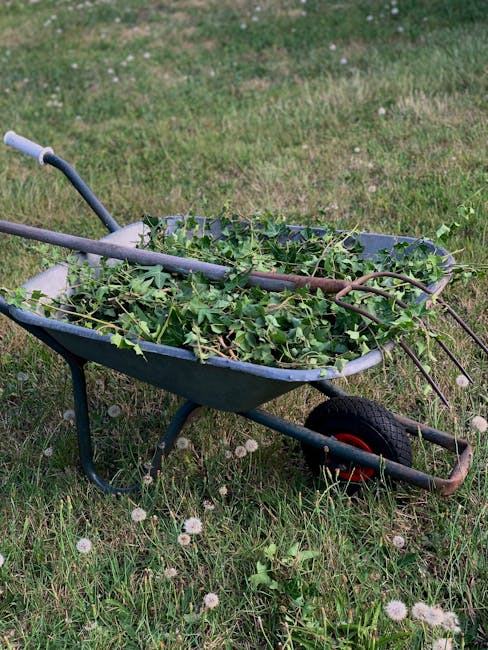
| Wheelbarrows, bags, and loading equipment | Moving green waste and bulky debris | Faster clearing with less mess left behind |
| Rakes and brooms | Final tidy-up of leaves, clippings, and loose material | A more finished look, not just an emptied plot |
| Protective gloves and safety gear | Handling thorny, sharp, or dirty waste safely | More controlled, careful work |
| Cutting tools for larger growth | Managing thicker branches or invasive growth | Useful where clearance overlaps with tree or hedge work |
If your garden also has hard landscaping that needs attention after clearing, you may eventually want to explore decking services or broader landscaping. And if you want to understand the company behind the service, the about us page is the natural place to start.
For most readers, the best "resource" is simply preparation. A clear list, a few photos, and a realistic idea of what must be removed will do more for the outcome than any fancy gadget ever could. Truth be told, the best-organised jobs are often the simplest ones.
Law, Compliance, Standards and Best Practice
Garden clearance in the UK is not usually complicated from a legal point of view, but it still needs to be handled responsibly. Waste should not be dumped, burned, or mixed carelessly. A professional service should work in line with sensible waste-handling practice, use safe lifting methods, and avoid creating hazards for neighbours or passers-by.
In practical terms, best practice usually means:
- separating green waste from general rubbish where possible
- moving waste without blocking shared access routes for longer than needed
- using appropriate equipment for heavy or sharp materials
- taking care around fragile structures, fences, sheds, and paving
- following the provider's own safety and insurance processes
It is also wise to check that the team is covered and works with proper procedures. For service expectations around safety and responsibility, the pages on insurance and safety and health and safety policy can help reassure you that the work is being approached properly. If you have a concern or a complaint at any stage, a clear complaints procedure is a good sign that the business is structured rather than ad hoc.
There is no need to overcomplicate this. Just look for careful work, sensible handling of waste, and clear communication. That is the standard that matters.
Options, Methods, and Comparison Table
Not every garden needs the same type of clearance. Sometimes a full same day clearance is the right answer. Sometimes a lighter tidy or phased work makes more sense. Here is a simple comparison.
| Option | Best for | Typical outcome | When to choose it |
|---|---|---|---|
| Same day garden clearance | Urgent overgrowth, waste build-up, move-out prep, safety issues | Fast restoration of usable space | When timing is the main concern |
| Scheduled clearance | Larger jobs, bulkier waste, multi-stage work | More flexibility and planning | When the garden is complex or access is tricky |
| Ongoing garden maintenance | Spaces that need regular upkeep after clearing | Steadier control of weeds, growth, and tidiness | When you want the garden to stay manageable |
| Landscape or redesign work | Gardens that need layout changes, new surfaces, or structural improvement | Longer-term transformation | When clearing is only the first step |
The practical point is this: same day clearance solves urgency. It does not automatically solve every future problem in the garden. That is why the best jobs often connect clearance with follow-on care, rather than treating it as a one-off rescue and forgetting about it.
Case Study or Real-World Example
Here is a realistic example from the kind of job many Poplar gardeners deal with.
A homeowner had a back garden that had become crowded with cut branches, a broken planter, tangled weeds, and a stack of old outdoor items left after a small DIY project. They had visitors arriving the next day, which added a bit of pressure, naturally. The main issue was not that the space was huge; it was that the clutter had spread into every corner, making the garden feel smaller and far more chaotic than it was.
The team arrived, walked the space, confirmed what was staying, and then began by removing the bulky items so access improved quickly. Once the larger debris was out, the remaining clearance moved faster. The final tidy involved sweeping paths, collecting loose clippings, and levelling out the visual mess so the garden felt calm again. It did not become a show garden overnight. That would be nonsense. But it did become usable, which was the real goal.
What made the job work well was not luck. It was clarity. The customer knew what needed to go, the gardeners knew what to expect, and there were no last-minute arguments about keep-items or hidden waste. That is usually the pattern behind a smooth same day clearance.
Practical Checklist
Use this quick checklist before the team arrives.
- Take clear photos of the garden if you can
- List any bulky waste, broken items, or thorny growth
- Move anything you want to keep away from the clearance area
- Check whether access gates, parking, or stairs could slow the job
- Tell the team about pets, neighbours, or timing restrictions
- Ask what the clearance includes and what it does not
- Confirm whether green waste and mixed waste will be handled separately
- Plan any follow-up maintenance or restoration work
- Review safety, insurance, and payment details before booking
- Keep the work area clear on the day so the team can get started quickly
If you want to understand the wider range of work available after a clearance, the garden maintenance page is a useful next stop. It helps you see how a cleared garden can stay manageable instead of slipping back into chaos by next month.
Expert summary: The best same day garden clearance is the one that removes the pressure as well as the waste. Clear instructions, safe access, and realistic expectations make a bigger difference than most people realise.
Conclusion
Same day garden clearance in Poplar should be quick, organised, and reassuring. You are not just paying for labour; you are paying for a calmer, clearer outdoor space and for the relief that comes with getting a difficult job off your list. When it is done well, you will see the garden differently straight away. The clutter recedes, the usable space comes back, and the whole place feels less heavy.
As long as you are clear about the scope, honest about access, and realistic about what can be achieved in one visit, the process is usually straightforward. And if the job turns out to need a little more than clearance alone, that is perfectly normal. Gardens grow, after all. They do not politely wait for free time.
Get a free quote today and see how much you can save.
For help from a team that understands the local pace, the practical details, and the value of getting things done properly the first time, you can also explore the company's contact us page when you are ready to talk it through.
Frequently Asked Questions
What does same day garden clearance usually include?
It usually includes the removal of garden waste, cuttings, clutter, and other agreed debris, plus a final tidy-up. The exact scope depends on the size of the garden and what you have asked the team to remove.
Can a garden really be cleared on the same day?
Yes, many gardens can be. Smaller and medium-sized jobs are often the easiest to complete in one visit. Larger or more complex sites may still be started on the same day, but sometimes they need a follow-up.
How should I prepare before the gardeners arrive?
Clear away anything you want to keep, take a few photos of the space, and mention any access problems early. That preparation makes the visit smoother and reduces avoidable delays.
What if my garden has a lot of overgrown hedges or branches?
That is common, actually. If hedge cutting or branch removal is needed as part of the job, it may be useful to discuss related services such as hedge trimming or tree lopping and removal so the right approach can be planned.
Is same day garden clearance more expensive than a scheduled visit?
It can be, depending on urgency, access, waste volume, and how much can realistically be completed in one visit. A clear quote is the best way to understand the likely cost before booking.
Will the gardeners take all types of waste?
Not always. Green waste, mixed waste, bulky items, and sharp debris may all be handled differently. It is best to describe everything honestly so the team can confirm what they are able to remove.
What should I expect after the clearance is finished?
You should expect a space that is visibly clearer, safer, and easier to use. It may not be a finished landscaped garden, but it should be tidy and ready for the next stage if needed.
Do I need to be home during the clearance?
Often yes, at least at the start, so you can confirm what stays and what goes. Some arrangements may be possible without you there, but that depends on access and the provider's process.
What happens if the garden has unexpected issues on the day?
The team should pause and discuss the issue with you if it changes the scope. Honest communication matters here. Hidden rubbish, broken structures, or unsafe growth can all affect the plan.
Can garden clearance be combined with regular maintenance later?
Absolutely. In fact, that is often the smartest way to keep the space manageable after a fast clearance. Ongoing maintenance helps prevent the garden from getting back into a neglected state.
How do I know if the company is trustworthy?
Look for clear communication, sensible pricing, insurance and safety information, and a transparent complaints process. These details tell you a lot about how the business operates day to day.
What is the best next step if I want to book?
Gather a few photos, write down what needs clearing, and reach out for a quote. If you want to compare the wider service options first, the services overview is a useful place to start before you decide.